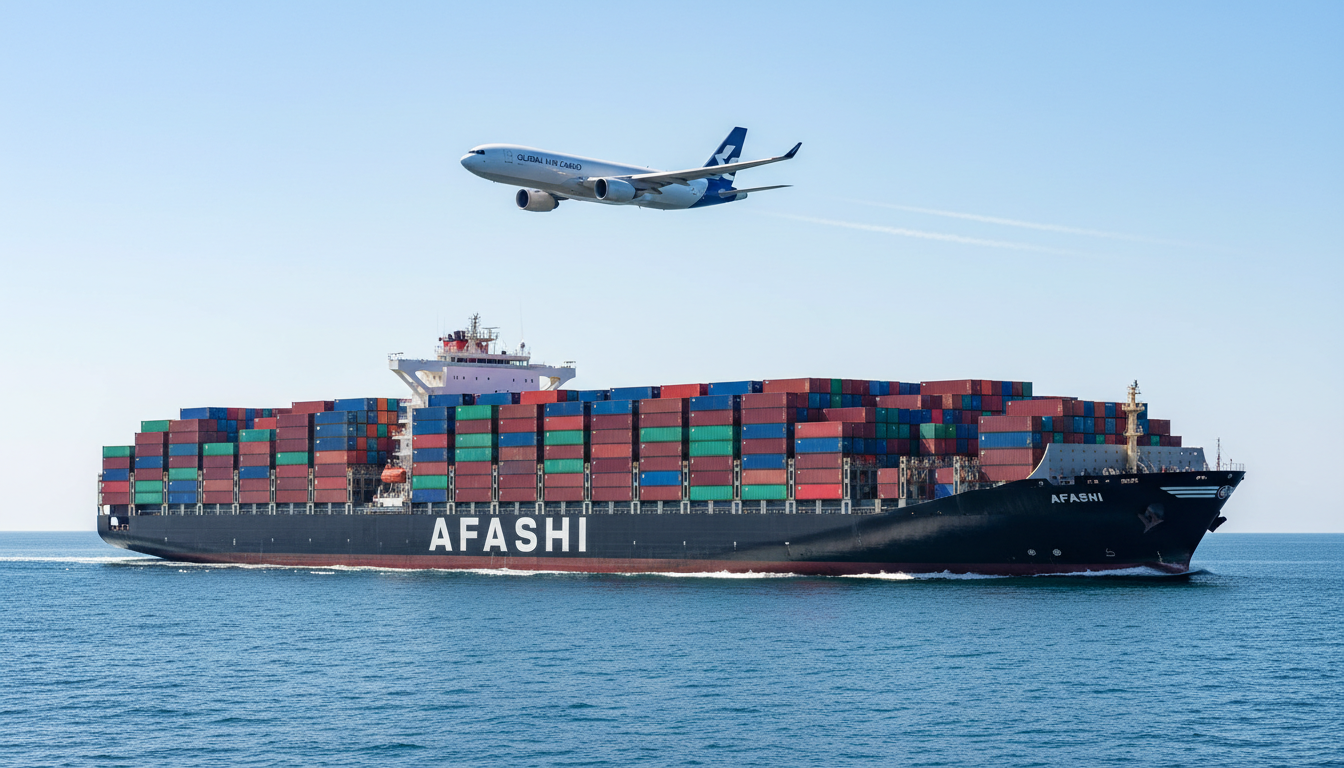
International air freight cargo costs typically range from $2.50 to $6.30 per kilogram depending on the shipping route and the specific type of goods. Rates are calculated based on chargeable weight, which compares the actual weight of the shipment to its volumetric size to determine the final price. Factors like fuel surcharges, terminal fees, and seasonal demand also influence total shipping quotes.
Managing international air freight cargo requires a precise balance between rapid delivery and strict budgetary control. Shippers often face the frustration of unpredictable invoices or confusing calculations regarding volumetric weight, which can make global scaling feel unnecessarily complex. Understanding these mechanics is not just a logistical necessity; it is a strategic advantage in a high stakes market where every kilogram counts toward your final margin. In this comprehensive guide, we will clarify the technical nuances of the modern air cargo landscape. You will gain a practical understanding of how to calculate chargeable weight, navigate current market rates per kilogram, and identify common surcharges that often go unnoticed. From navigating regulatory restrictions to securing precise quotes in a single location, this breakdown provides the expert insight needed to streamline your international shipping operations with absolute confidence.
Understanding International Air Freight Cargo in Today’s Market
International air freight cargo represents the fastest tier of global logistics, moving goods via dedicated freighters or the belly hold of passenger aircraft. In the current 2024 to 2025 market, the industry has transitioned away from the extreme volatility of the post-COVID era into a more stabilized benchmark. While capacity has returned to pre-pandemic levels, shippers must still navigate a landscape influenced by fluctuating fuel costs and shifting trade lanes.
For businesses managing high-value inventory or time-sensitive components, air transport is a strategic necessity rather than a luxury. Although the cost per kilogram is significantly higher than ocean freight, the reduction in transit time and enhanced security protocols minimize the risk of theft and damage. As a New York-based logistics provider, AFASHI leverages its proximity to major global hubs like JFK and Newark Liberty International to offer comprehensive shipping services that bridge the gap between local businesses and global markets. By utilizing our integrated platform for real-time shipment tracking, shippers can maintain total visibility over their cargo from departure to final delivery. If you need specific guidance on current route availability or capacity constraints, you can contact our logistics team to discuss your specific requirements.
How to Calculate Air Freight Costs: The Chargeable Weight Explained

Understanding how carriers price international air freight cargo is essential for any business managing a global supply chain. The most critical concept to master is Chargeable Weight. This is not always the weight shown on a physical scale; instead, it is the greater value between the actual gross weight and the volumetric weight. Airlines utilize this method because a plane’s capacity is limited by both weight and physical volume.
To determine the volumetric weight, use the standard industry formulas:
Measurement System | Formula (Dimensions in cm or inches) | Result |
|---|---|---|
Metric | (Length x Width x Height) / 6000 | Volumetric Weight in KG |
Imperial | (Length x Width x Height) / 166 | Volumetric Weight in LBS |
Consider the difference between shipping a large box of down pillows versus a small box of lead weights. The pillows are light but take up significant space in the cargo hold; consequently, their volumetric weight will likely exceed their actual weight, making the volumetric figure the chargeable weight. Conversely, the lead weights are small but extremely heavy. In this case, the actual scale weight will be higher, serving as the basis for the final cost. Shippers who only account for physical weight often find themselves facing unexpected expenses when their goods are bulky but light.
Accurately predicting these costs is vital for maintaining profit margins. AFASHI’s integrated platform automates these calculations during the booking phase to prevent sticker shock once the cargo reaches the airport warehouse. By providing precise dimensions early, you ensure that the system's automated invoice generation reflects the true cost of transport. If your cargo involves non-standard dimensions or requires specialized palletization that might shift these calculations, you can contact our logistics team for a detailed review of your shipment specifications.
Current International Air Freight Rates per KG
Market rates for international air freight cargo fluctuate based on global capacity and trade lane demand. Currently, shippers can expect base rates to range between $2.50 and $6.00 per kilogram for standard shipments. These figures represent the base freight cost before additional surcharges are applied.
Regional variations play a significant role in pricing. For instance, shipments from the Far East to the United States often command higher premiums, frequently landing between $4.00 and $6.50 per kilogram due to the high volume of e-commerce and manufacturing exports. Conversely, transatlantic routes from Europe to the U.S. typically see more moderate rates, often ranging from $2.50 to $4.50 per kilogram, depending on the specific departure hub and carrier availability.
Route Origin | Destination | Estimated Rate per KG (USD) |
|---|---|---|
East Asia (China, Vietnam, HK) | USA (JFK/EWR) | $4.00 - $6.50+ |
Western Europe (UK, Germany) | USA (JFK/EWR) | $2.50 - $4.50 |
South America | USA (MIA/JFK) | $2.00 - $3.50 |
A common inquiry involves the cost of shipping a 300 lb consignment. Since air freight is calculated in metric units, 300 lbs converts to approximately 136 kg. At a mid-range rate of $4.00 per kilogram, the base freight would total roughly $544. It is important to note that many carriers offer price breaks at specific weight thresholds, such as 100 kg, 300 kg, or 500 kg, where the rate per unit decreases as the total volume increases.
Air cargo pricing remains highly dynamic; it is heavily influenced by the Jet Fuel Price Index and seasonal surges. During the Q4 peak season, which runs from October through December, increased demand for holiday inventory can cause rates to spike significantly. To navigate these fluctuations and secure space, shippers should contact our logistics team for the most current spot rates tailored to their specific timeline.
Beyond the Base Rate: Common Air Cargo Fees and Surcharges
While base rates provide a starting point for budgeting, the final invoice for international air freight cargo involves several standardized add-ons that account for operational costs and airport regulations. Understanding these line items is essential for accurate cost comparisons and financial planning.
Fuel Surcharge (FSC): A variable fee linked to the Jet Fuel Price Index. It allows carriers to adjust for energy market volatility without constantly resetting base rates.
Security Surcharge (SSC): Covers the costs of mandatory cargo screening, including X-ray inspections and physical checks performed at the terminal to meet international safety standards.
Terminal Handling Charges (THC): Fees assessed by the ground handler for managing the cargo at the airport, including processing at the warehouse and loading the shipment onto the aircraft.
Customs Clearance: The cost for a licensed broker to file the necessary legal documentation with customs authorities at both the origin and destination hubs.
Shippers must distinguish between all-in and plus-plus pricing structures. An all-in quote combines the base rate and surcharges into a single, predictable figure per kilogram. Conversely, a plus-plus quote lists the base rate and then adds FSC, SSC, and other fees as separate line items. AFASHI’s platform provides automated invoice generation, ensuring that these fees are transparent and accounted for before you confirm a reservation. If you are comparing multiple service levels, you can contact our logistics team to clarify which specific surcharges apply to your unique shipping lane.
The Step by Step Process: How Air Freight Shipping Works

Managing international air freight cargo requires a structured workflow to ensure compliance and speed. The journey begins within the AFASHI dashboard, where you enter shipment dimensions and destination details to trigger automated invoice generation. Once the reservation is confirmed, the system produces printable shipping labels, allowing you to prepare your cargo for transit immediately.
Proper packing is the next essential phase. Unlike sea freight, air cargo undergoes significant handling during loading and unloading; therefore, using high quality materials to secure items against movement is critical. Following preparation, the shipment is transported to a primary logistics hub. In the New York metropolitan area, this typically involves delivery to specialized warehouses near JFK or Newark Liberty International. These facilities serve as the gateway for international exports, managing the transition from ground to air.
At the airport warehouse, your goods undergo mandatory security screening to meet TSA and international safety protocols. Simultaneously, the Air Waybill (AWB) is issued. This document serves as the non-negotiable contract of carriage between the shipper and the airline, containing essential details like the flight number and handling instructions.
Once the aircraft departs, maintaining visibility is paramount. Shippers utilize real-time shipment tracking to monitor progress through every milestone, from terminal arrival to final customs release. This transparency allows businesses to coordinate downstream logistics, such as last-mile delivery or warehouse receiving, with precision. If you have questions about specific documentation for high-value goods, you can contact our logistics team for expert guidance on streamlining your comprehensive shipping services.
What is Not Allowed in Air Cargo? Restricted and Prohibited Items
Maintaining safety standards for international air freight cargo requires strict adherence to IATA (International Air Transport Association) regulations. Certain items are strictly prohibited because they pose an immediate risk to the aircraft or crew. This list includes explosives, pressurized gases, and flammable liquids such as solvent-based paints or high-alcohol perfumes. Lithium batteries remain a frequent source of shipment delays; these must be properly certified, labeled, and packaged according to specific Watt-hour ratings to be accepted for air transport.
Other goods are classified as restricted or Dangerous Goods (DG), meaning they require specialized handling and a formal Shipper’s Declaration. This category often includes magnetized materials, dry ice used for temperature control, and certain industrial chemicals. To avoid costly fines or cargo seizure at major hubs like JFK, you must provide a detailed and accurate Packing List during the initial booking phase. If you are unsure about the classification of a specific commodity, you should contact our logistics team to verify its status before the shipment reaches the airport. Proper classification ensures your comprehensive shipping services remain on schedule and fully compliant with federal safety laws.
How to Get an International Air Freight Quote in One Place

Traditional logistics often involves a fragmented series of phone calls and email chains to secure a single quote for international air freight cargo. For New York businesses juggling multiple carriers, this manual approach leads to data silos and delayed decision-making. AFASHI eliminates these inefficiencies by centralizing the entire lifecycle of a shipment within a single integrated platform. Instead of waiting for a representative to return a call, you can access instant pricing, manage reservations, and process secure payments through a unified dashboard.
The system streamlines operational tasks that previously required separate software or manual paperwork. Once a booking is confirmed, users can generate and print shipping labels directly from the interface, ensuring all documentation matches the airline's requirements. This level of automation is particularly valuable for companies managing both national and international accounts from a New York hub, as it provides a consistent workflow regardless of the destination. By leveraging comprehensive shipping services through one portal, you gain the agility needed to respond to shifting market demands. If you require a custom solution for high volume accounts, you can contact our logistics team to discuss platform integration.
Understanding how air freight costs and chargeable weights are calculated is the first step toward optimizing your supply chain and managing your budget effectively. While these formulas might seem daunting at first, mastering them ensures you always receive fair and accurate quotes. If you would like professional guidance to streamline your shipping process, our team is ready to assist with expert logistics solutions. You can learn more on our About page to see how we provide transparent, efficient cargo services tailored to your specific business needs.